 Image 1 of 1
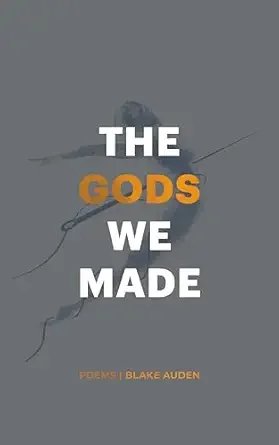
The Gods We Made is his fifth full-length collection. Where his earlier collections moved through the specific emotional architecture of heartbreak and loss, this one steps back to ask the larger question underneath all of it: what are the things we make sacred, and what do they cost us?
The central argument is both ancient and completely personal: that we construct our own gods and our own demons out of the raw materials of our relationships, traumas, and obsessions — and then spend our lives in prayer to them, hoping they might spare us the suffering that they themselves have caused. Grief becomes a god. Love becomes a god. Time becomes a god. And we orbit them with a devotion that feels like agency but functions like surrender. The collection examines how those gods are made, how they hold us, and whether we might ever genuinely choose to put them down — while being honest about the fact that we probably won't.
In form, Auden works in the spare, direct register he has refined across five collections: short, precisely weighted poems that use white space the way others use sentences, where the line break is the emotional event and the plainness of the language makes the impact land harder, not softer. The collection includes illustrations by Mine Hyde, whose visual pauses are a structural element of the reading experience rather than decorative additions.
The Gods We Made is his fifth full-length collection. Where his earlier collections moved through the specific emotional architecture of heartbreak and loss, this one steps back to ask the larger question underneath all of it: what are the things we make sacred, and what do they cost us?
The central argument is both ancient and completely personal: that we construct our own gods and our own demons out of the raw materials of our relationships, traumas, and obsessions — and then spend our lives in prayer to them, hoping they might spare us the suffering that they themselves have caused. Grief becomes a god. Love becomes a god. Time becomes a god. And we orbit them with a devotion that feels like agency but functions like surrender. The collection examines how those gods are made, how they hold us, and whether we might ever genuinely choose to put them down — while being honest about the fact that we probably won't.
In form, Auden works in the spare, direct register he has refined across five collections: short, precisely weighted poems that use white space the way others use sentences, where the line break is the emotional event and the plainness of the language makes the impact land harder, not softer. The collection includes illustrations by Mine Hyde, whose visual pauses are a structural element of the reading experience rather than decorative additions.