
 Image 1 of 1
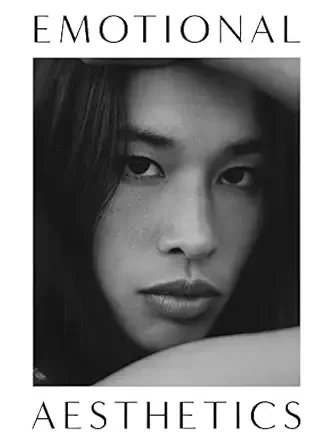
The work is an ode to the individuals captured. They are the emblems of emotional aesthetics — an identity steeped in honesty, vulnerability, and visceral expression. Verbal and visual poetry coalesce in a way that's simple, sincere, and soulful.
The photographs are portraits of real women: soulful creatives, entrepreneurs, and mothers, photographed not to look beautiful but to be genuinely seen. Klassen's method is rooted in her performance background — she understands that what a camera captures is never just an appearance but always a state of being, and her work is specifically about creating the conditions under which that state can be honest. Emotional aesthetics, as she defines it, is less about wanting to look good and more about being unapologetic with how you feel and who you are. Sparacino's writing meets Klassen's images as an equal rather than a caption — the same territory explored in two languages simultaneously. Where Sparacino's poetry has consistently given millions of readers the words for feelings they couldn't articulate alone, here those words exist alongside portraits of women who are themselves in the middle of the feeling. The result is something neither text nor photography accomplishes alone: a book that doesn't just describe the interior life of women but renders it visible.
Klassen's signature style emanates undeniable feminine allure, layered with dichotomous reflection. The aesthetic register is modern bohème — natural light, intimate framing, the specific beauty that emerges when a woman stops performing for the camera and simply exists in front of it. Her cited photographic influences include Alexandra Nataf, Lara Jade, and Athena Calderone — all working in the same editorial/lifestyle tradition of photography that finds art in the ordinary texture of a woman's actual life.
The work is an ode to the individuals captured. They are the emblems of emotional aesthetics — an identity steeped in honesty, vulnerability, and visceral expression. Verbal and visual poetry coalesce in a way that's simple, sincere, and soulful.
The photographs are portraits of real women: soulful creatives, entrepreneurs, and mothers, photographed not to look beautiful but to be genuinely seen. Klassen's method is rooted in her performance background — she understands that what a camera captures is never just an appearance but always a state of being, and her work is specifically about creating the conditions under which that state can be honest. Emotional aesthetics, as she defines it, is less about wanting to look good and more about being unapologetic with how you feel and who you are. Sparacino's writing meets Klassen's images as an equal rather than a caption — the same territory explored in two languages simultaneously. Where Sparacino's poetry has consistently given millions of readers the words for feelings they couldn't articulate alone, here those words exist alongside portraits of women who are themselves in the middle of the feeling. The result is something neither text nor photography accomplishes alone: a book that doesn't just describe the interior life of women but renders it visible.
Klassen's signature style emanates undeniable feminine allure, layered with dichotomous reflection. The aesthetic register is modern bohème — natural light, intimate framing, the specific beauty that emerges when a woman stops performing for the camera and simply exists in front of it. Her cited photographic influences include Alexandra Nataf, Lara Jade, and Athena Calderone — all working in the same editorial/lifestyle tradition of photography that finds art in the ordinary texture of a woman's actual life.